Fantasy Book Cover FAQ
Common questions about creating fantasy book covers with AI
What makes a good fantasy book cover design?
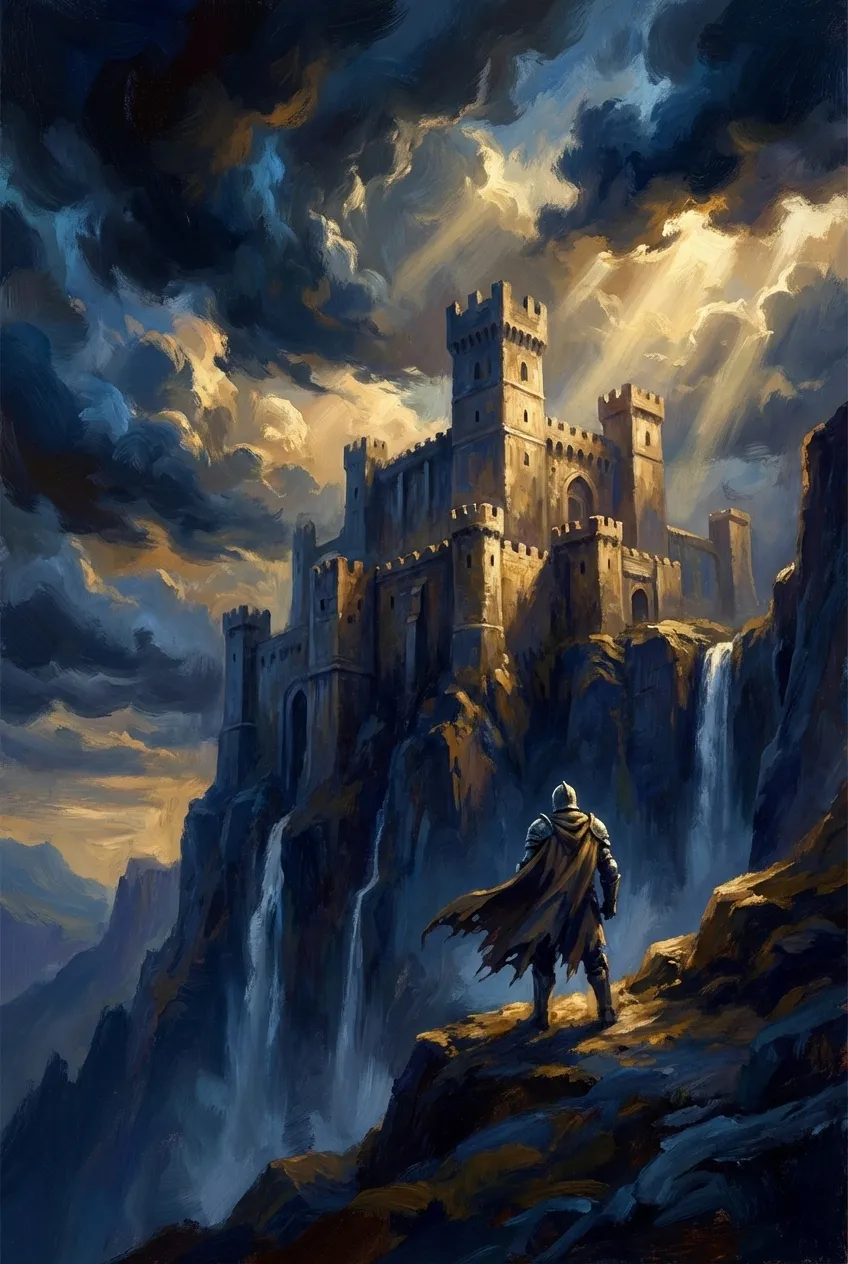
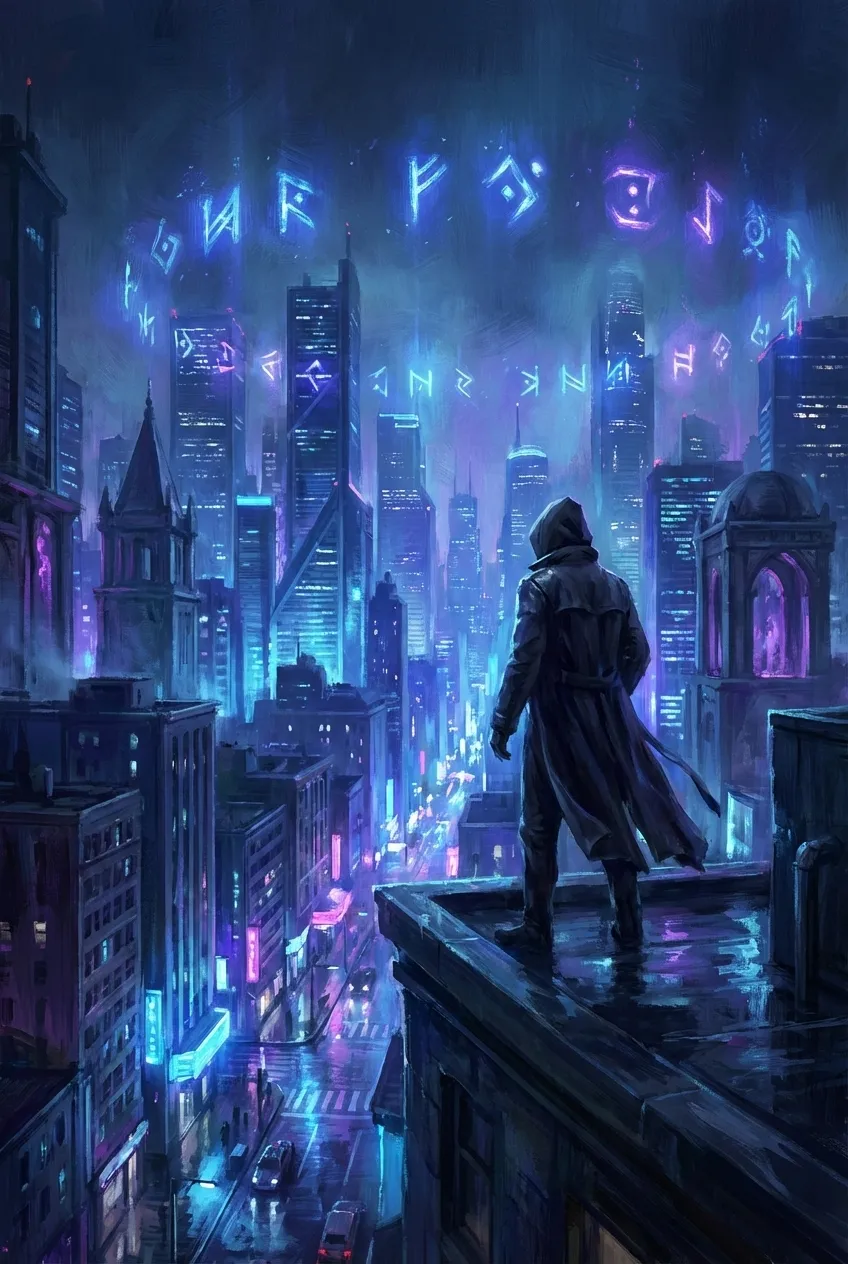
The best fantasy book covers instantly communicate subgenre through visual cues. Epic fantasy covers feature sweeping landscapes, castles, and heroic figures. Dark fantasy covers use moody lighting, gothic elements, and ominous atmospheres. Urban fantasy covers blend modern cityscapes with magical elements. Dragon book covers showcase these iconic creatures prominently. Beyond imagery, great fantasy cover art uses typography that matches the tone - elegant serifs for classic fantasy, sharp metallics for sword and sorcery, flowing scripts for romantasy. Color palette matters too: golds for heroic tales, crimsons and blacks for dark fantasy, neons for urban settings. The cover must be legible and compelling at thumbnail size since most readers discover books through Amazon search results.
Can I use AI-generated fantasy book covers commercially on Amazon?
Yes. You can use covers you download for your own book publishing, sales listings, and promotion. BookCoverAI does not claim ownership of those downloads.
What size should a fantasy book cover be for Amazon KDP?
This generator creates a 1600 x 2560 pixel vertical eBook front cover, a commonly used 1:1.6 ratio. Publishing requirements differ by platform, so check the current rules for your destination. Use a separate print tool when you need a spine and back cover.
How do I create a fantasy book cover with dragons, magic, vampires, or medieval elements?
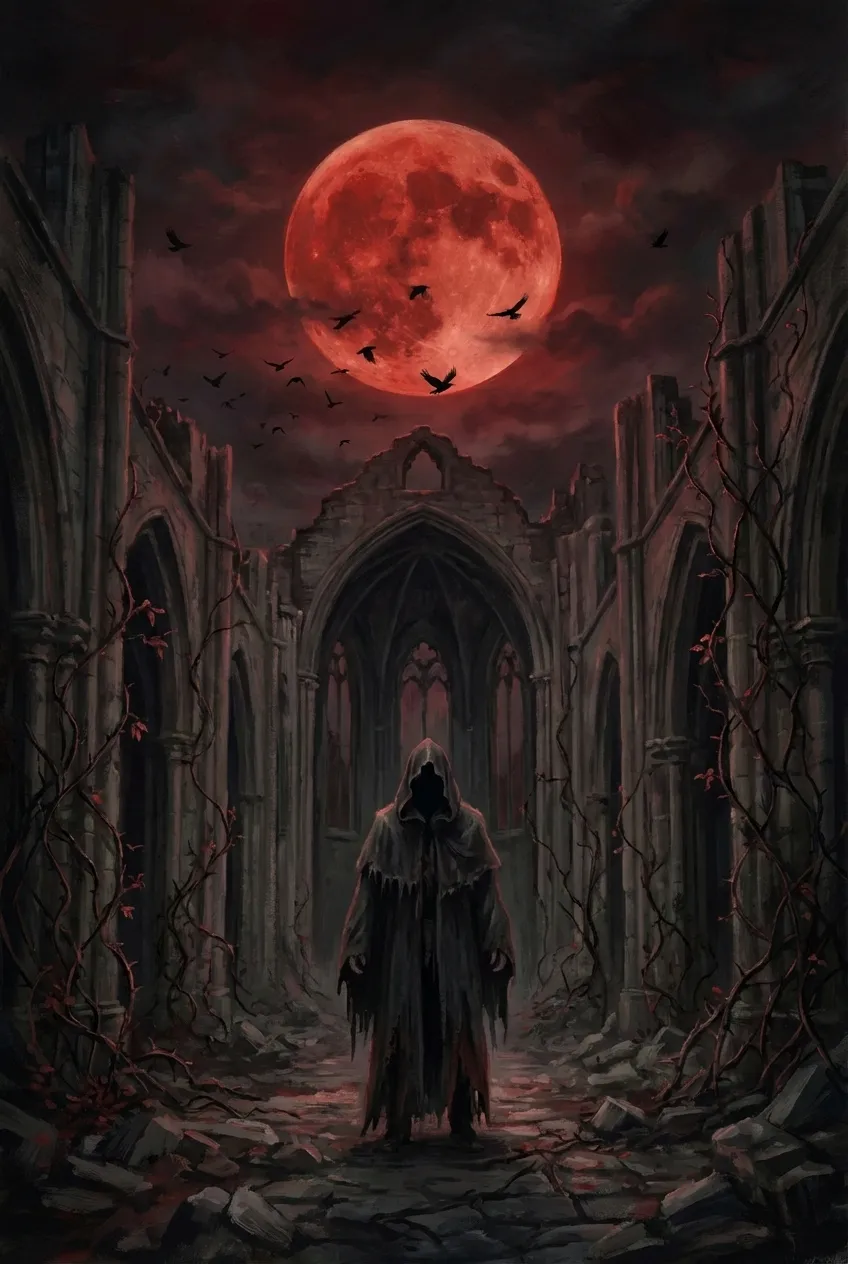
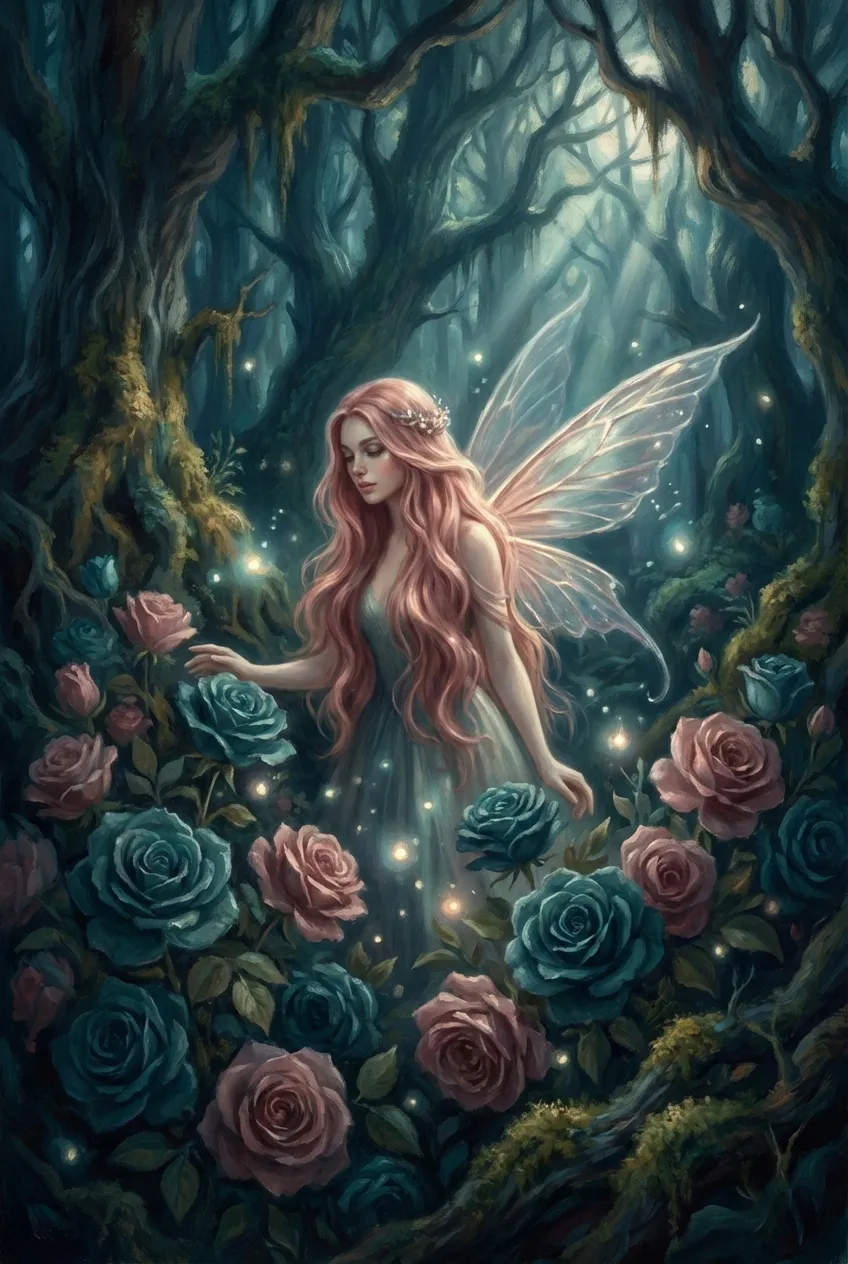
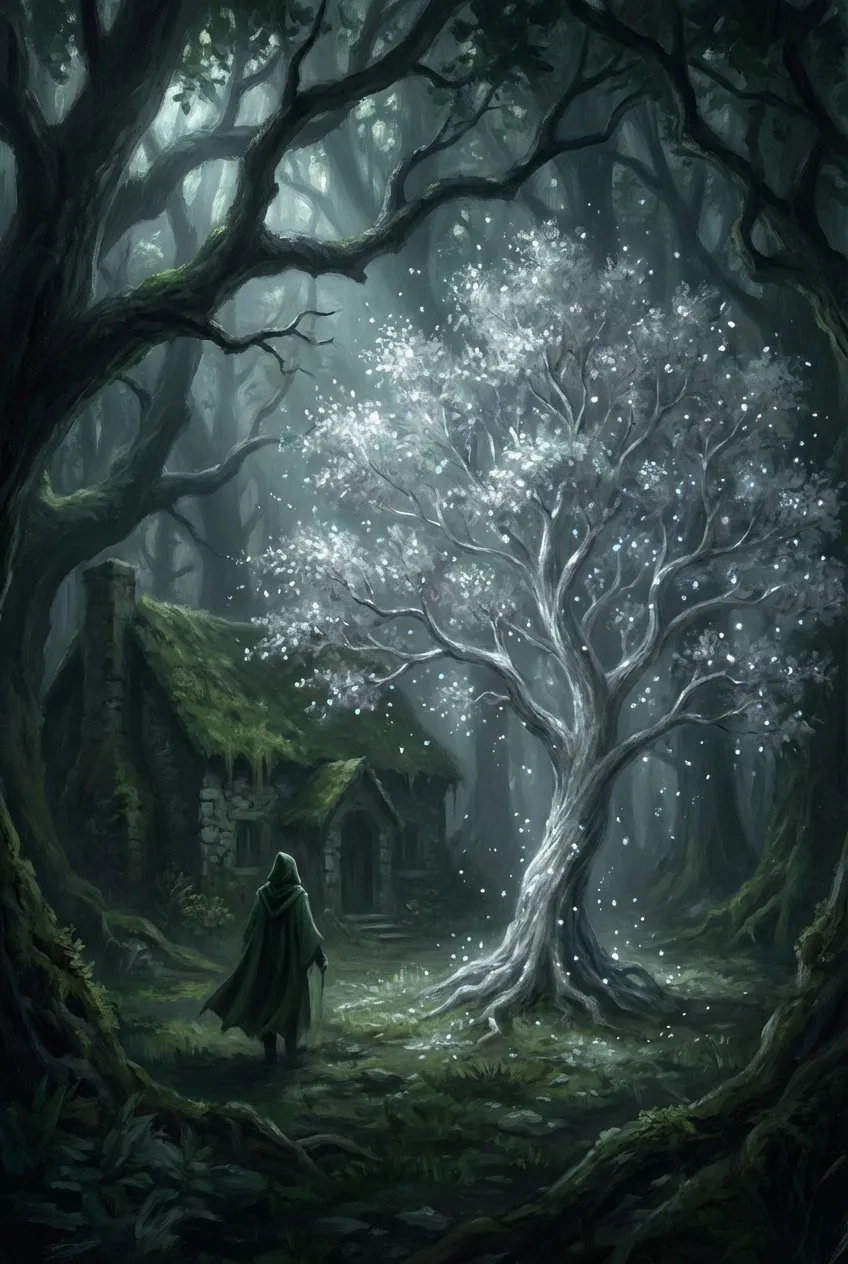
Simply describe the fantasy elements you want in your cover prompt. For a dragon book cover, write something like: 'Epic fantasy cover with a massive dragon flying over a medieval castle at sunset, golden light, heroic atmosphere.' For dark fantasy with vampires: 'Gothic vampire cover with a cloaked figure before a crumbling cathedral, blood moon, ravens, dark and ominous.' For fairy tale magic: 'Enchanted forest cover with glowing fairy lights, silver trees, mystical atmosphere.' The AI understands fantasy visual conventions and generates professional fantasy book cover art matching your description. Be specific about mood, colors, and key elements for best results.
How much does a professional fantasy book cover cost?
The fantasy cover generator is free to try. Check the current pricing page for any credits or paid downloads, since offers and pricing can change.
What fantasy book cover styles can the AI generate?
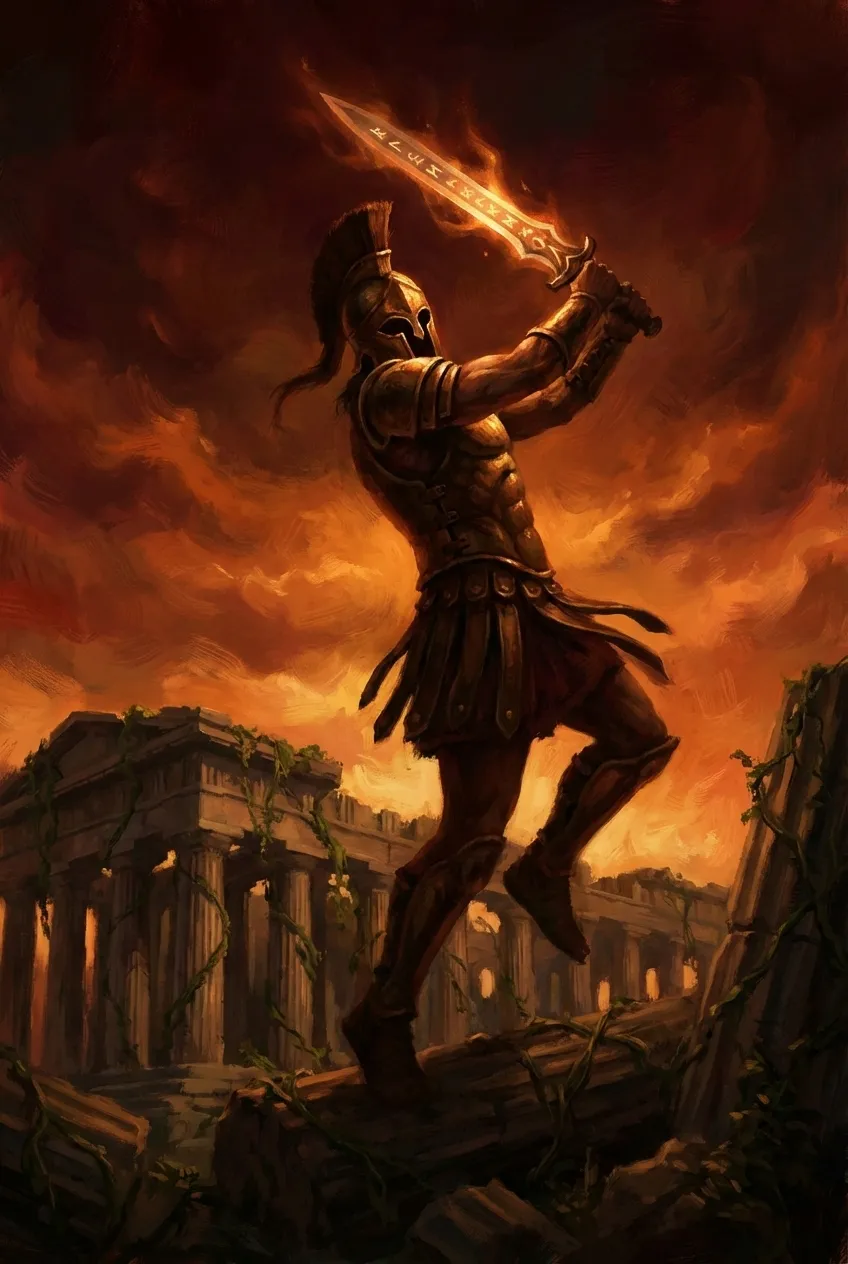
Our AI fantasy book cover generator supports all major fantasy subgenres: Epic Fantasy (sweeping landscapes, castles, dragons, heroic battles), Dark Fantasy (gothic architecture, vampires, ominous atmospheres, blood moons), Urban Fantasy (modern cities, neon lights, contemporary magic), Romantasy (ethereal beauty, soft lighting, romantic fantasy elements), Sword & Sorcery (action poses, warriors, magical weapons), and Fairy Tale/Mythic Fantasy (enchanted forests, mythical creatures, storybook aesthetics). You can also create hybrid styles or specify particular elements like medieval settings, magic book covers with glowing runes, or specific creature types.
How can I make an AI fantasy cover look more like a real book cover?
Start with a specific subgenre, one strong focal image, a clear setting, and a limited color palette. After generation, check whether the title is readable, the main subject is clear in thumbnail view, and the typography matches the fantasy tone. If the result feels like artwork but not a cover, simplify the prompt and make the book title hierarchy more important.
Can I create a series of matching fantasy book covers?
You can get close. Open Reference image, upload the previous cover, and keep the look you want to repeat — the same dragon or mood, a new scene. This is a visual guide, not a dedicated series tool. It will not copy the old cover or its lettering.